Getting a non-artist to dive into the whirlpool of AI visuals.
Visualize this (if you can) – you are someone who failed in second grade art class, but now is creating high quality designs from your mind. For someone like me who is artistically handicapped, but visualizes the darndest things like Anna Taylor-Joy does in Queen’s Gambit, then AI is your savior.
Enter Midjourney, the AI-powered tool that turns your mental doodles into visual masterpieces. And no, it is not just for those design elites or AI savants – it is and can be for everyone. With a little practice, of course.
A big professional help
It is how I’ve managed to breathe life into my presentations and design prototypes, even spice up the video and design production pipelines.
Ever since the days of –v 2, I’ve been cranking out around 15,000 images (probably have lost count) with countless prompts. My creations span across industries – AI, healthcare, automotive, retail, consumer electronics, FMCG, aerospace – you name it, I’ve probably visualized it.
And a fun hobby
Beyond the professional gigs, Midjourney has been my go-to for a bit of art therapy. Imagine sitting in a coffee shop, conjuring up visuals with a few keystrokes, transforming idle thoughts into a symphony of colors and shapes – that come together to make sense; It’s almost like having a superpower. And with this power comes great irresponsibility to have some fun!
It wasn’t love at first sight
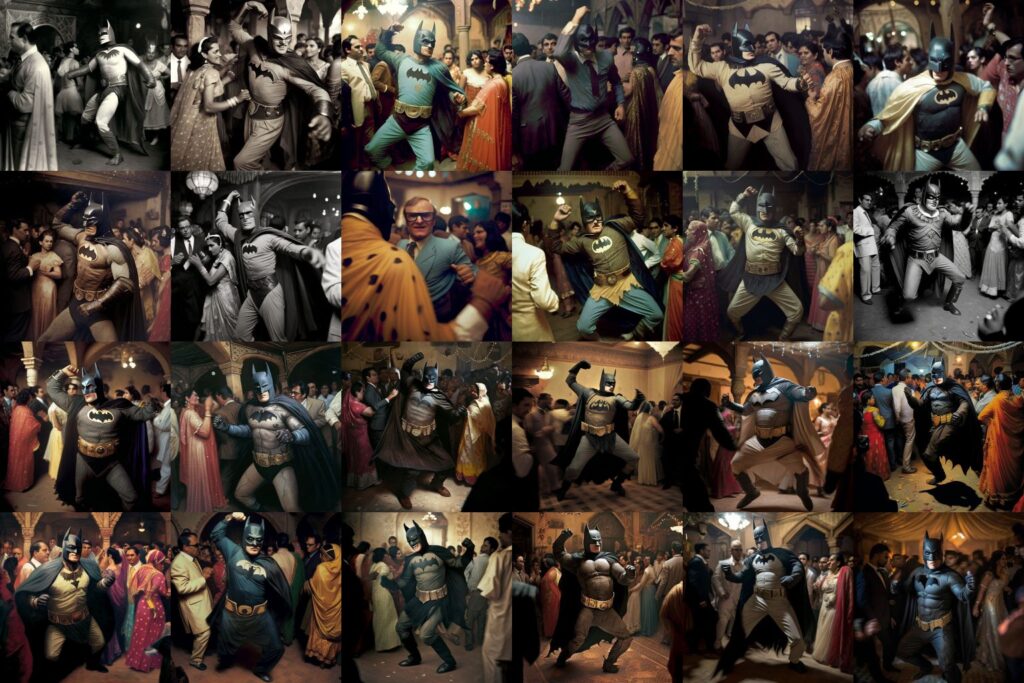
Now, let’s rewind to my first rendezvous with Midjourney. The interface? A bit of a head-scratcher at first. Too more than a few attempts to get it right. Then there were those absurd creations – faces that looked like they’d been run over by a wet Picasso painting. And today? You can make yourself look like the star of the next James Bond movie and people would believe it.
The prompt puzzle
The initial hurdles? Oh boy, where do I start?
Hunched over my keyboard, wrestling with prompts like a medieval knight battling a dragon.
The goal was simple: get Midjourney to grasp my vision, and the only way to master that art was through relentless practice. You’d think of the most absurd visual – a cake shaped like a flying saucer – and then you’d put that into words. The trick was to play with those words until Midjourney spat out something that matched the bizarre visuals in your head.
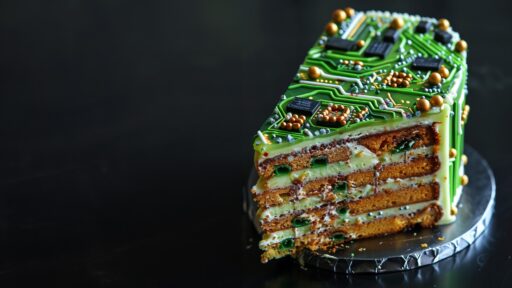
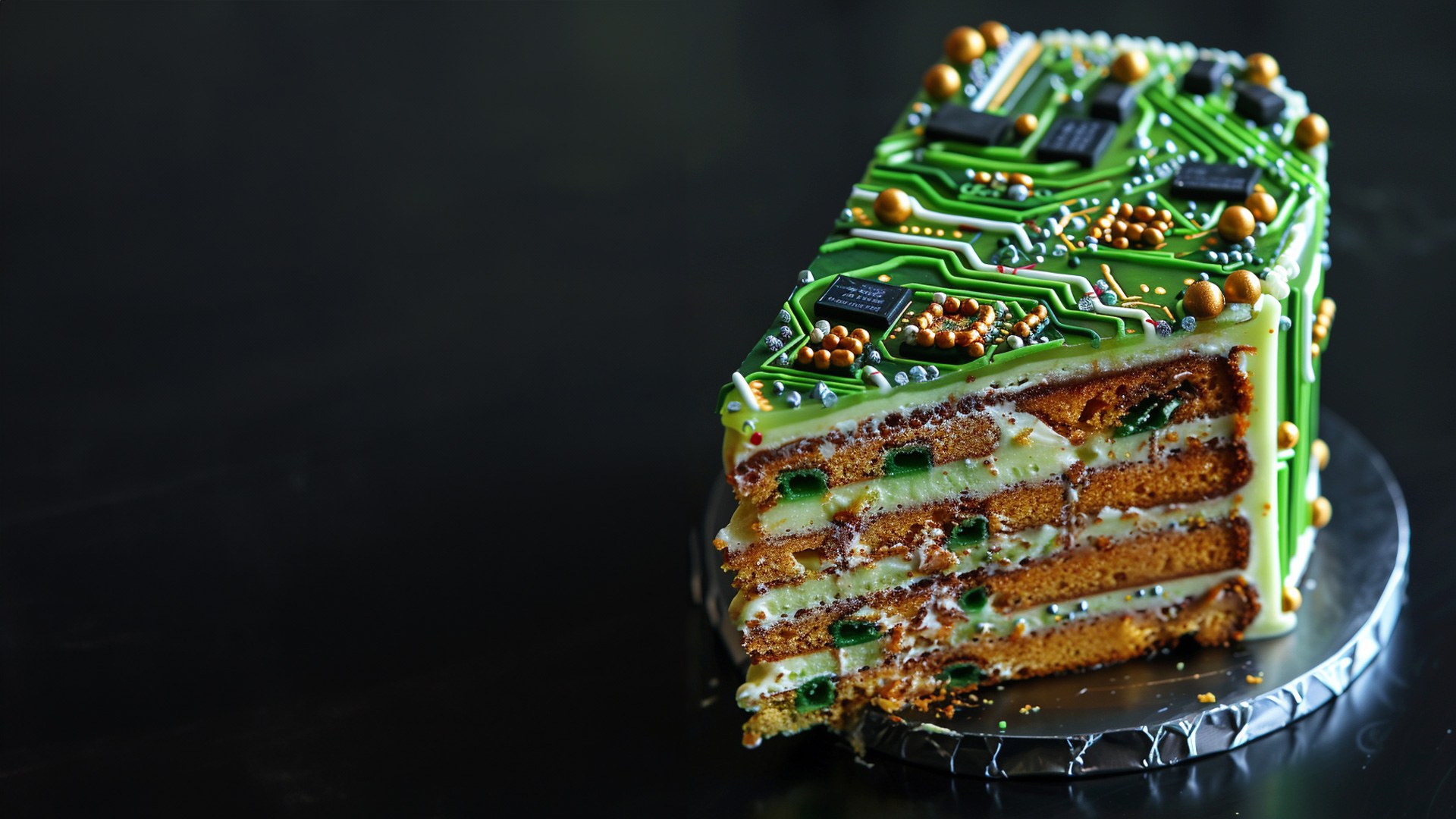
Structure was key. Imagine crafting a visual of a cake. You’d need to be painstakingly specific about every detail:
- The cake’s shape? Circular, square, or something outlandishly geometric?
- Flavors? Think vanilla, chocolate, or perhaps a tangy lemon twist.
- Decoration? Elaborate icing, minimalistic design, or a chaotic sprinkle explosion?
- The style? Is it a photograph, a digital illustration, or perhaps an oil painting?
- What’s it sitting on? A sleek plate, a rustic wooden board, or floating in mid-air?
- Backdrop? A cozy kitchen, an elegant dining room, or maybe a surreal desert landscape?
- Composition? The cake front and center, or part of a larger feast?
- Lighting? Bright and cheery, or moody and dramatic?
- Colors? Vivid, muted, or a psychedelic rainbow?
- Detail level? Crisp and clear or delightfully abstract?
- What else? A side of ice cream, a fork, or maybe a whimsical garden gnome?
- Overall vibe? Festive, sophisticated, or utterly whimsical?
- Style match? Is it mimicking a famous painting, or is it a style all its own?
- Text? A message like “Happy Birthday” or a poetic quote?
- And very importantly, anything you do not want in the visual. Like no bricks in the cake – or go ahead and put some. It’s your imagination.
From cake to work again
I was trying to generate a visual for a corporate campaign – something functional and not just a piece of abstract art. Imagine trying to create an image for a B2B brand’s website, something that screams professionalism. But here’s the catch – it shouldn’t look like it was AI generated. Something that could easily pass as a real image.
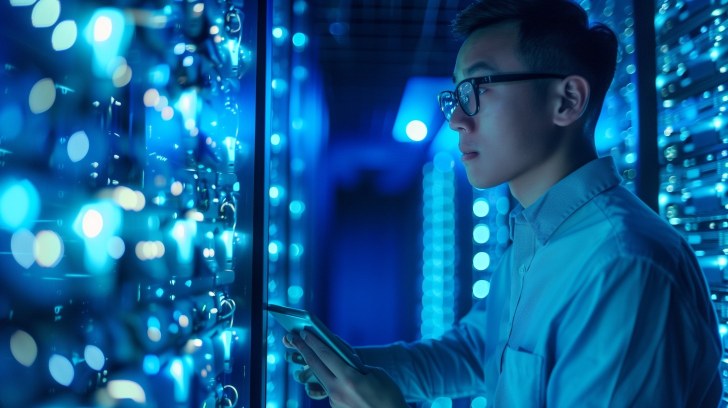
For instance, if I were creating an image for an IT services company, I’d have to consider:
- What is the engineer doing? Installing servers, tinkering with equipment, or just looking tech-savvy?
- Attire? A slick uniform, casual yet professional, or a lab coat for that extra nerdy touch?
- The data center? Modern and sleek, or a labyrinth of wires and flashing lights?
- Lighting? Bright and functional, or a sci-fi blue glow?
- Visible tech? Rows of servers, intricate cable work, or cutting-edge monitors?
- Composition? Is the engineer the star of the show, or is there a broader view of the tech wonderland?
- Vibe? Professional, innovative, and trustworthy.
- Diversity? A reflection of the world we live in.
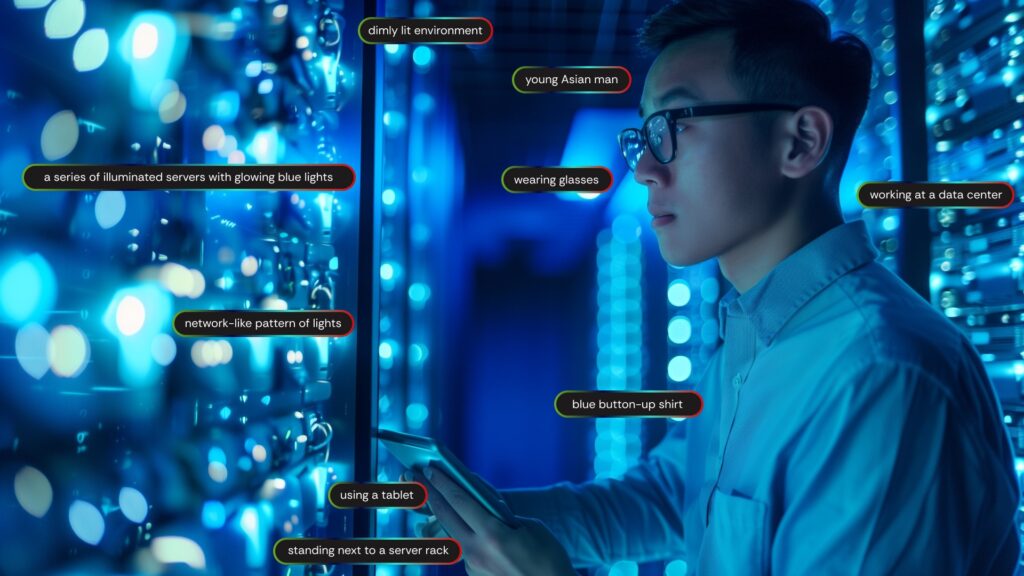
It took countless iterations, but the final image was a testament to the power of AI and human creativity working hand in hand. After generating the image, it was time for the finishing touches – upscaling with tools like Magnific or Topaz Gigapixel, and then a stint in Adobe Photoshop (with the help of a designer, of course) to polish it into a production-ready visual.
All this may sound tiring and too much to do, but once you get the hang of it, it is like riding a bike. Just like everything else, you need to be at it till it becomes muscle memory.
While growing up, we all wanted to be different things – president, mountain climber, astronaut, dancer, a dog (nopes? just me?) or an artist. Now you can tick one off the list. Well as close to an artist as you can be.
Get started already
If you’re new to Midjourney, my advice is simple: prompt makes perfect. A solid grasp of visual grammar helps, but you’ll also want to dive into examples of prompts and the resulting images from others in the Midjourney community. It’s a journey of discovery, creativity, and endless possibilities.
In my next post, I’ll get into the nitty-gritties of prompt engineering for Midjourney.
Thanks to Mili Biswal for proofreading this post and making it fit for consumption.